
Free Download:
THE ELASTANE PARADOX

Alternative pathways beyong conventional elastane dependency
functional Polyester Architectures for stretch, bonding & sustainable textile systems

PATHWAYS A B(LOW-TEMP BONDING)

A. Ultra-Low Melting Polyester (≤105°C)

Engineered for high thermal responsiveness. Ideal for medical disposables, nonwovens, and low-energy adhesive structures. Delivers reliable cohesion and uniform melting while minimizing overall processing energy.
Energy-Efficient Bonding Solutions

B. Low-Melting Spinnable Fllament (11O°C)

Optimized for fully-oriented yarn (FDY) production. Perfect for 3D knitted footwear uppers and space-dyed structures. Potential alternative to multi-material elastic constructions, enhancing recycling outcomes.
Thermal Bonding Filament Networks
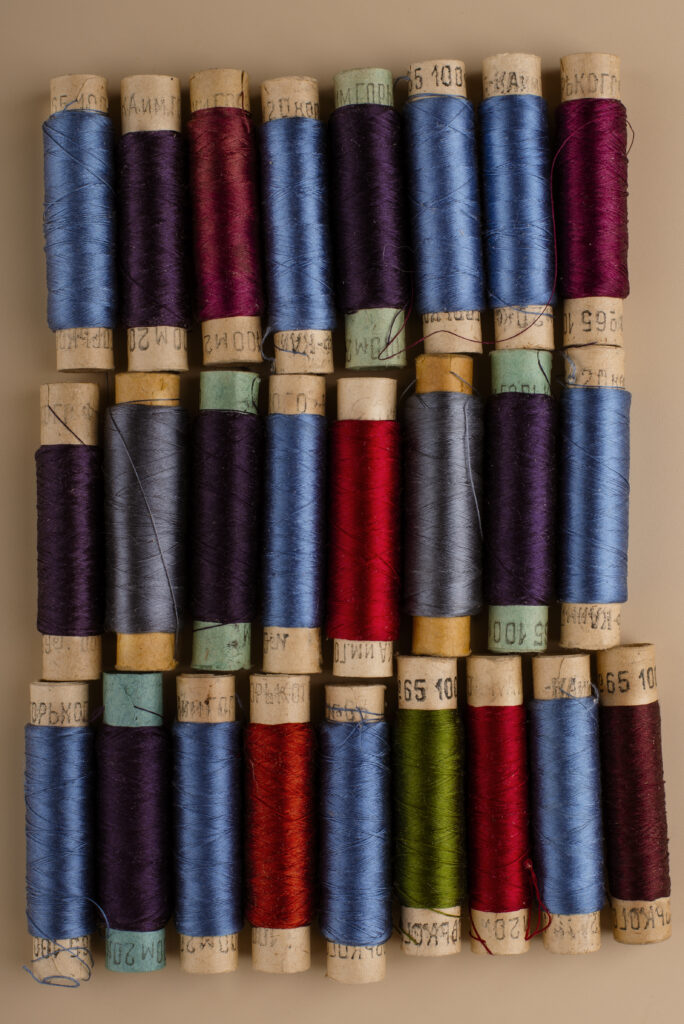
PATHWAYS C D (STRETC HIGH-TEMP ARCHITECTURES

C. Elastic-Oriented Polyester (180°C)

Delivers solid stretch and recovery with controlled shrinkage. Perfect for sports apparel, comfortable knits, and bicomponent systems (PET/PTT). Note: In selected applications, this architecture may partially replace PBT-based elastic systems.
High-Performance Mechanical Stretch

D. High-Melting Functional Polyester (230°C)

Tailored for solution dyeing and color masterbatch integration. Ensures smooth melt flow and color stability. Eliminates complex wet dyeing stages downstream, reducing chemical footprints.
Color-Integrated Spinning Matrices

The future of stretch textiles may not rely on a single material pathway

True technical solutions lie at the intersection of modified polymer architecture, advanced bicomponent engineering, precise thermal control, and process-integrated functionality.

We invite collaborative evaluation and open testing across the entire textile value chain.

Request Technical Documents

Get instant access to technical datasheets and a tailored solution from our engineering team.

Subscribe & Get

10% off on Your First Order

Ask For A Quick Quote

We will contact you within 1 working day, please pay attention to the email with the suffix “@globalpolyester.com”