
From Polymer to Fabric: Solving Dyeing & Finishing Issues at the Source- Polymer Level

Hi Sobujs, You’ve raised three very typical but high-impact issues in knit dyeing. What’s important is — these are often treated as process problems, but in many cases, the root cause actually starts from the polymer and fiber stage. Let me break this down from a material-first perspective, which we’ve validated across multiple polyester applications. […]
How Low Carboxyl PET Chips Improve Synthetic Leather Quality
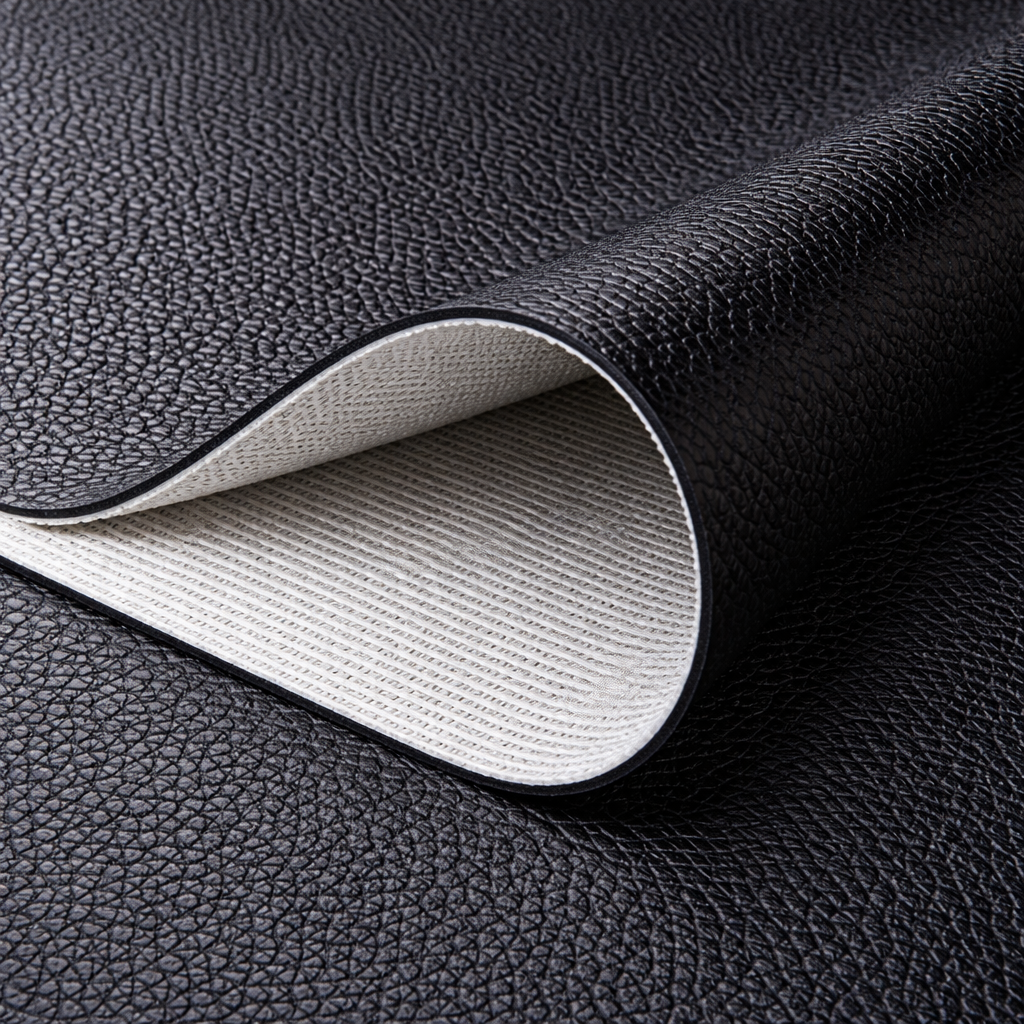
In making synthetic leather and coated fabrics, polyester cloth is very important. The cloth is the base that holds the coating and gives strength. In factories, high heat, high humidity, and long use can cause problems: Low carboxyl PET chips (Low COOH PET) are now used to make products last longer and stay strong. 1. […]
BCF Carpet Yarn Chip Selection Guide

How polyester chips affect carpet softness, bulk, and resilience Polyester chips are the core raw material for BCF (Bulked Continuous Filament) carpet yarn. From our years of working with spinning mills and carpet producers, we’ve seen that many carpet performance issues — like carpets feeling too hard, flattening easily, or not bouncing back — actually […]
How to Make Partially Biodegradable Short Fibers Using PBAT and PET

As the world pushes for greener products, fiber makers are looking for ways to make polyester fibers more eco-friendly. One way is to mix PBAT (a soft, biodegradable plastic) with PET (the standard polyester used in fibers). This approach can give you fibers that are strong, soft, and partly biodegradable. Here’s how it works and […]
Fluorine-Free Water-Repellent Fibers and Fabrics: Principles, Processing, Applications, and Practical Guide

Water-repellency is now a key feature for outdoor clothing, functional daily wear, tents, bags, and sports shoes. With stricter environmental rules, fluorine-free water-repellent (FFWR) technology is becoming the standard. Based on years of R&D and manufacturing experience, this article explains FFWR fibers from a manufacturer’s perspective. You’ll learn about how they work, how they are […]
High Viscosity, Low Shrinkage PET Chips: Enhancing Efficiency and Stability in Textile Factories!
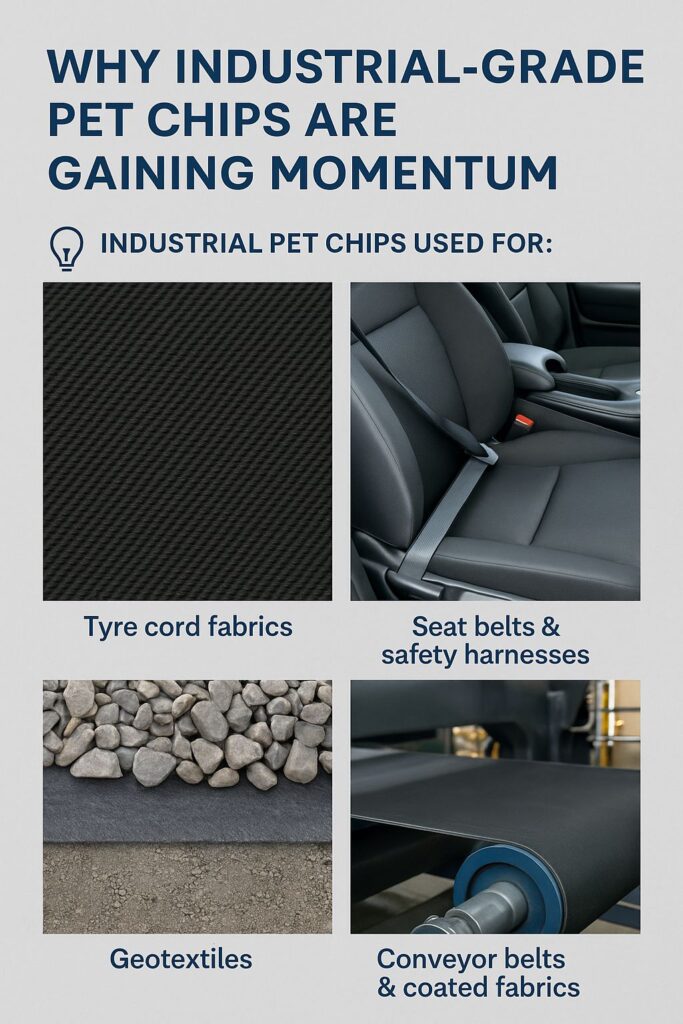
In the production of technical textiles such as industrial yarns, seat belts, and curtain fabrics, have you encountered these issues?❌ Frequent yarn breakage?❌ Fluctuating spinning pressure?❌ High strength deviation and low product yield?❌ Severe batch-to-batch variation in customer acceptance?Don’t worry, HMLS Polyester Chips (High Modulus Low Shrinkage) are being increasingly selected by factories as the […]
Why Did Our Client’s Yarn Breakage Rate Drop from 4.5% to 1.3% ?
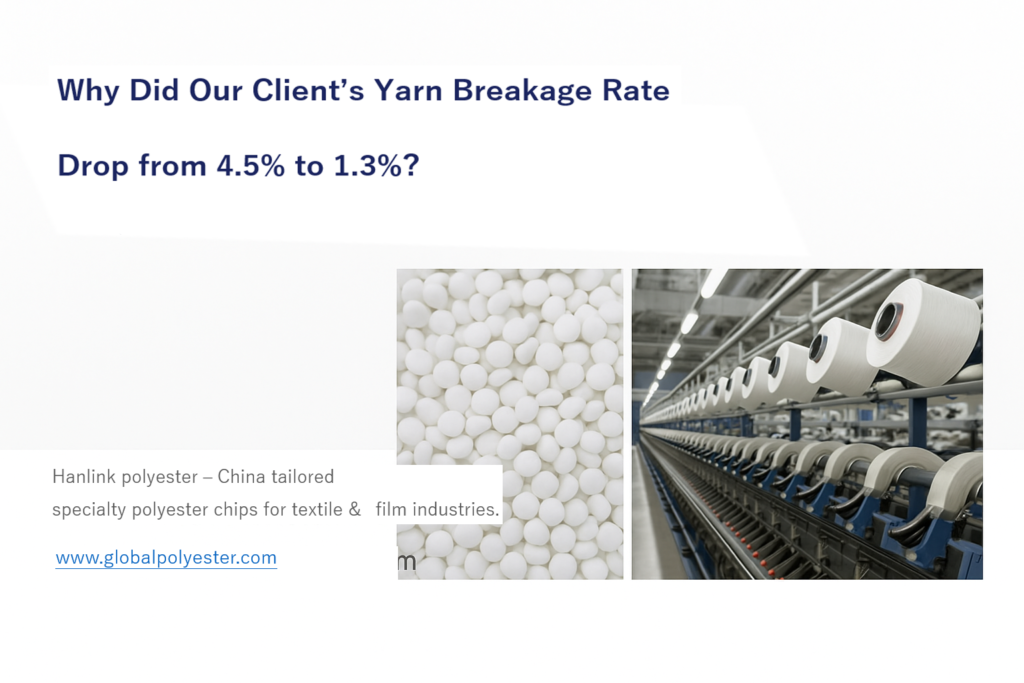
At HanLink Polyester, we focus on developing high-performance functional PET chips. In recent years, more and more customers ask us the same question: “Are you using ethylene antimony? Why is spinning so smooth?” It’s time to explain why. 1.Why Do We Use Ethylene Antimony? A. Unstable reaction rate, which caused long poly time and IV […]
Analysis of the Flame Retardant Performance of Low Carboxyl Copolyester in Monofilament

In the field of monofilament for automotive interiors, flame retardancy and long-term stability are core requirements. Our developed low-carboxyl-content flame-retardant copolyester chips exhibit significant advantages in enhancing flame retardant performance by optimizing the polymer structure and reducing side reaction risks. 1. Technical Description The low carboxyl content flame-retardant copolyester chips used in monofilament applications offer […]
Why More Manufacturers Are Choosing Low COOH Polyester Chips for Mother Yarn
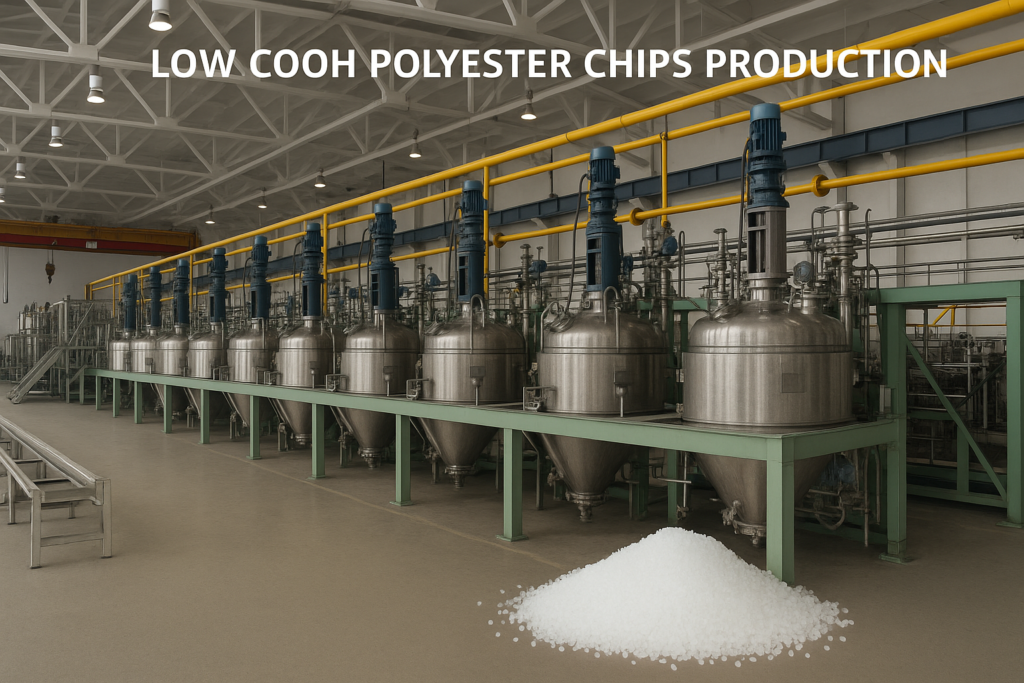
As demand grows for higher quality, more stable, and environmentally friendly polyester yarns, low carboxyl end group (COOH) polyester chips are becoming the material of choice, especially in the production of semi-dull mother yarn. At HanLink Polyester, we’ve worked closely with fiber manufacturers to understand what really matters during spinning and downstream processing. Here’s why […]
Copper-Modified Polyester Fiber: A Powerful Antibacterial Solution for Textiles
The Need for Functional Textiles Consumers want more than just stylish and comfortable fabrics. They now look for textiles with extra features like antibacterial, odor-resistant, and mite-resistant qualities. This is especially important in medical, sportswear, and home fabrics. Traditional antibacterial treatments often wear off after washing and can contain harmful chemicals. Copper-modified polyester fiber solves […]