
The Application of Sodium Dimethyl 5-Sulfoisophthalate (SIPM) in Alkali-Soluble PET Chip

When it comes to cationic polyester chips, we focus on the dye uptake, which is influenced by the third monomer. The third monomer, SIPM, plays a key role in cationic polyester chips. SIPM not only enhances the dyeing properties of the polyester but also improves its moisture absorption and softness. Therefore, understanding the reaction rate […]
Factors Affecting Carboxyl End Groups in Textile-Grade Polyester Chips

An important influencing factor in textile-grade polyester chips is the carboxyl end group (-COOH). These groups form mainly during the esterification and polycondensation stages. Incomplete esterification reactions can leave carboxyl groups in the final product. Side reactions such as thermal degradation, thermo-oxidative degradation, and etherification in the polycondensation reaction will also produce carboxyl end groups. […]
Enhancing Packaging Efficiency with Durable Puncture-Resistant Aluminum Coating Films
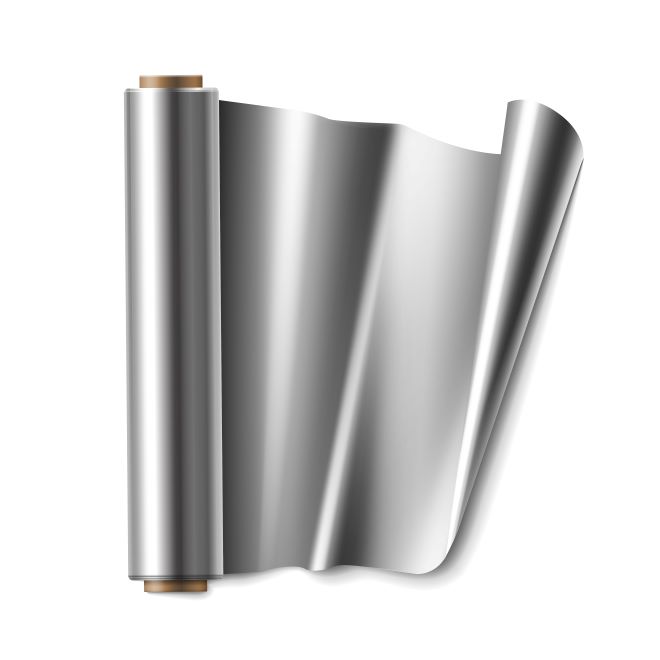
In recent years, driven by economic growth, there has been an increasing demand for high-quality packaging for various goods. Irregularly shaped and sharp-edged items, such as those containing bones or fish bones, often encounter damage during the vacuum packaging process due to the stretching of aluminum layers in conventional aluminum-coated composite films. This necessitates the […]
Difference Between PET and PBT Plastics
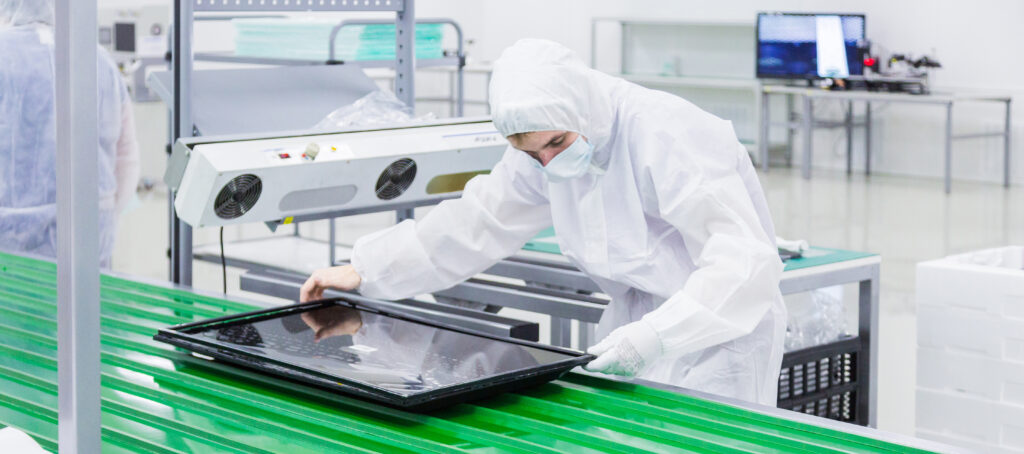
Polyethylene terephthalate (PET) and polybutylene terephthalate (PBT) are two types of aromatic polyester plastics. PET has a highly symmetrical molecular structure, which gives it good crystal orientation capabilities. As a result, it has excellent film-forming and molding properties.The molecular chain structure of PBT is similar to that of PET, and most of its properties are […]
Application of luminescent pigments in plastics

The main component of luminescent pigments is aluminate. It is a new type of long afterglow luminescent material. Compared with traditional ZnS luminescent materials, their afterglow time after short-term illumination is more than ten times longer. Additionally, they have excellent lightfastness and durability. It is non-toxic and non-radioactive. No toxic chemicals are introduced or produced […]
Barium sulfate flame retardant powder
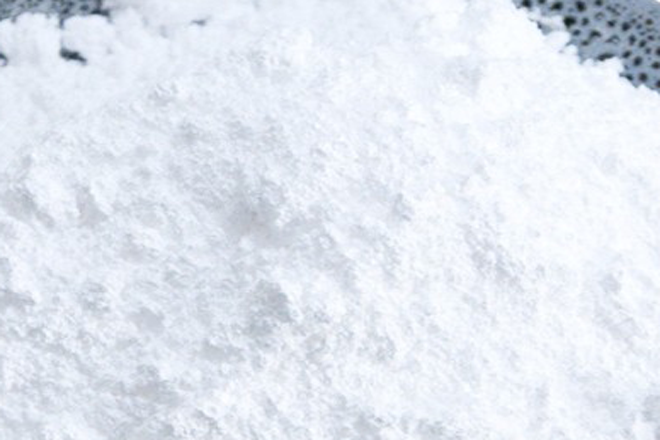
Barium sulfate flame retardant, known as barium sulfate FR. It is a white powder with small particle size and high hydrophobicity. It is a phosphorus-containing organoaluminum salt flame retardant. It is widely used in engineering plastics like PET, PBT, nylon (including glass fiber reinforced), thin adhesives, flexible epoxy laminates, and TPE (TPEE, TPU, and PEBA). […]
Understanding Aluminum Coated PET Film
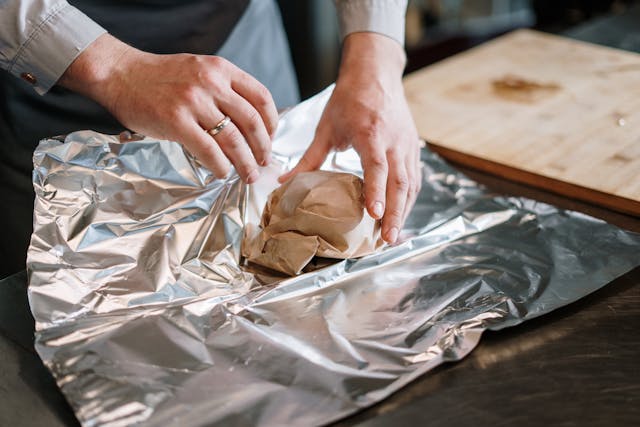
Aluminized PET film is a multifunctional packaging material. It is made by coating a thin layer of aluminum on a PET (polyethylene terephthalate) film. This process enhances the barrier properties of the film, making it suitable for a variety of applications. Let’s explore the features and uses. 1. Features of aluminized PET film The aluminum […]
Understand high oxygen resistance BOPET film and its production method
This article introduces a new technology for producing high oxygen barrier BOPET films. The film consists of a BOPET base film with a PVA coating on one side. The crystallinity of the PVA coating is 60% to 80%, and the orientation degree is 10% to 15%. This production method adds a coating step between the […]
Understanding PET Label Paper: Advantages and Applications

PET label paper is a synthetic paper label made of chemical materials such as olefins and some additives. It is characterized by soft texture and strong tensile strength. It is highly resistant to water, light, and temperature changes. It is also resistant to chemical corrosion and does not pollute the environment. It also has the […]
Introduction to commonly used anti-adhesive agents in China
Currently, three commonly used slip agents and anti-sticking agents in China include oleamide, erucamide, and silica. Although their uses are similar, there are some differences in their specific types and methods of use. 1. Features 1.1 Oleamide Also known as oleamide, is used in polyethylene films. It can reduce internal friction during processing and friction […]