
National Day Holiday Notice – 2024

Dear Valued Customers and Partners, Celebrating National Day: HanLink Polyester Shines with the Nation! As the cool autumn breeze sweeps across the country and we celebrate together, HanLink Polyester extends its highest respect to our great nation! Committed to the research and production of chemical new materials, HanLink Polyester understands the importance of material innovation […]
Common Problems in Textile Sizing: A Simple Guide

The quality of textiles relies on both raw material selection and processes like spinning and sizing. One critical issue is yarn hairiness, which impacts weaving efficiency and the appearance of fabrics. Understanding what causes yarn hairiness and how to address it is essential for improving textile quality and lowering production costs. This article will explore […]
HanLink Polyester Celebrates the Mid-Autumn Festival with You

HanLink Polyester Celebrates the Mid-Autumn Festival with You
Our holiday time: Sep. 15-17, 2024.
Innovative Flame-Retardant Pressure-Sensitive Labels

Pressure-sensitive adhesives stick easily with a light touch. They come in six types: hot melt, solvent-based, water-based, emulsion-based, cast, and reaction. While solvent-based adhesives are used less now due to environmental concerns, they are still valuable in some areas. PVC films are used on furniture and buildings to improve looks and durability. However, many current […]
The Impact of Silica Content on Matte Polyester Film Properties

Biaxially oriented polyethylene terephthalate (BOPET) film is a material that is widely used because it is easy to process and has good overall performance. When a large amount of inorganic powder, such as silica, is mixed into the polyester film, it creates a matte finish. This matte finish gives the film a low gloss and […]
Study on the Performance of High-Strength Flame-Retardant Polyester Industrial Yarns Under High-Temperature Pre-Tension

Polyester industrial yarns are popular because they are strong and durable. They are used in things like car curtain lines, conveyor belts, and safety belts. As safety concerns rise, flame-retardant polyester industrial yarns are getting more attention. While flame retardants improve fire resistance, they can also change the yarn’s structure and performance. So, it’s important […]
Introduction to Bicomponent Yarn

1. What is Bico Yarn? Bi-component yarns are continuous filaments made by extruding two different materials from the same spinneret using bi-component technology. These yarns have advantages over single-component yarns because they can be tailored for specific functions. Fiber attributes include anti-static, antimicrobial, super hydrophilic, super hydrophobic, stain resistance, low melt, and heat resistance. These […]
Factors Influencing Polyester Monofilament Yarn
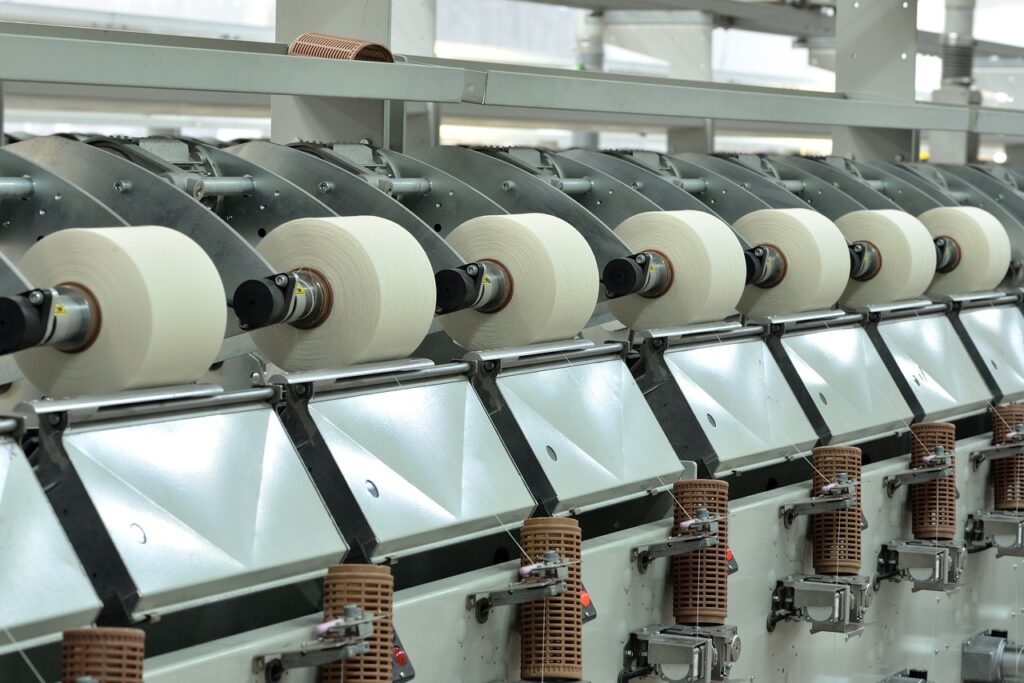
Polyester monofilament yarn is used in many industries, and its quality affects the final product’s performance and lifespan. To produce high-quality mono-filament yarn, manufacturers follow advanced processes to turn raw chips into top-notch yarn. This article explains the process and the relationship between various indices of chips. 1. Solid-State Polymerization To make high-quality mono-filament yarn, […]
Sea-Island Composite Fiber: A New Breakthrough in Textile Materials

Sea-island composite fibers have better properties than natural fibers. They are becoming more popular in the textile industry. 1. Common Problems with Sea-Island Composite Fibers Most sea-island composite fibers use alkaline-soluble polyester (COPET) as the sea component. These fibers need strong alkaline conditions at high temperatures (≥95°C, pH value ≥13) to break down COPET. However, […]
Production Process for Low-Shrinkage Polyester Industrial Yarn Using Low-Viscosity Polyester
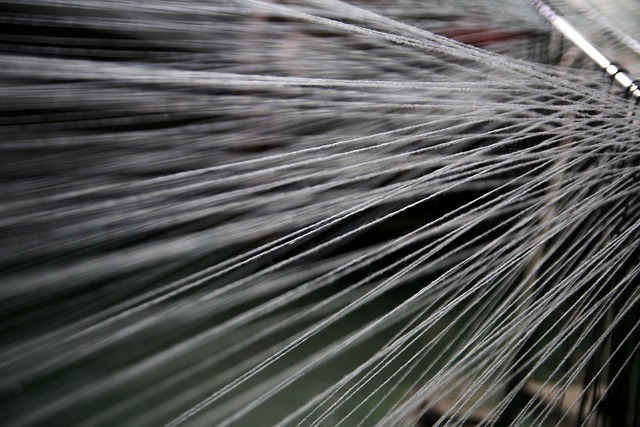
Polyethylene Terephthalate (PET) is a high-performance plastic known for its high strength, stiffness, impact resistance, and excellent dimensional and heat stability. It is ideal for making industrial yarn. PET is used in various products, such as: As production increases, PET‘s importance in the industry grows. 1. Problems with Traditional Processes Traditional processes use six pairs […]