
Copper-Modified Polyester Fiber: A Powerful Antibacterial Solution for Textiles

The Need for Functional Textiles Consumers want more than just stylish and comfortable fabrics. They now look for textiles with extra features like antibacterial, odor-resistant, and mite-resistant qualities. This is especially important in medical, sportswear, and home fabrics. Traditional antibacterial treatments often wear off after washing and can contain harmful chemicals. Copper-modified polyester fiber solves […]
High-Viscosity, Low-Carboxyl Polyester Chips for Industrial Yarn: Benefits and Applications

High-viscosity, low-carboxyl polyester chips (COOH <14, IV >0.8) have unique properties for industrial yarn. Our company refines them to COOH <10 and IV >0.85 for better performance. This article covers their benefits, production advantages, spinning suitability, and key applications. 1. Key Benififs 2.Production Advanatges 3. Compatibility With Spinning Processes 4. Product Features 5. Main Applications […]
Lunar New Year Holiday Announcement

Dear Valued Clients and Friends, As the Chinese Lunar New Year approaches, we extend our heartfelt wishes for a harmonious, prosperous, and joyful year ahead. In celebration of this special occasion, our company will observe a holiday break from January 25th. Office operations will resume on February 5th, and our production teams will return on […]
The Importance of DEG Content-7% in Textile-grade PET Chips
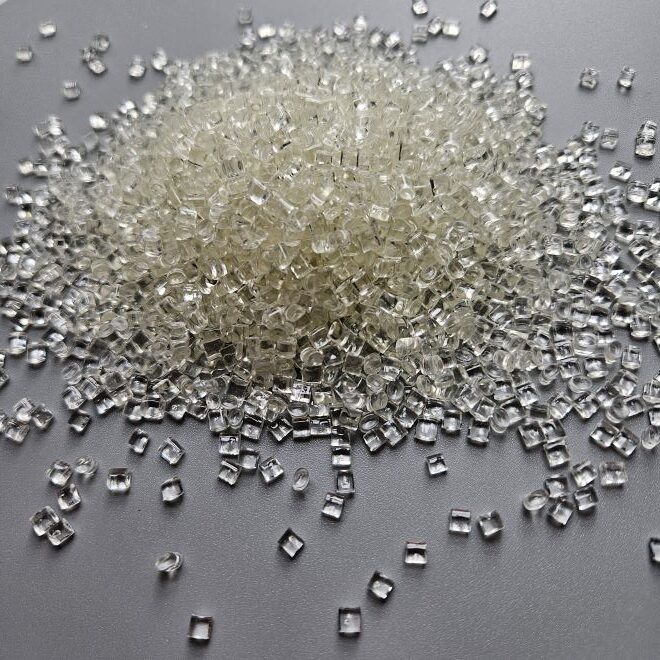
Low-melting-point PET fibers are increasingly used in hot-melt layers and automotive nonwoven fabrics. These fibers need a low melting point, good bonding, and strong mechanical properties. Adding diethylene glycol (DEG) helps achieve this. The LMPET, keeping DEG at 7% lowers the melting point while maintaining fiber performance. This article explains why controlling DEG at 7% […]
Q&A: Comprehensive Introduction to PETG Copolyester
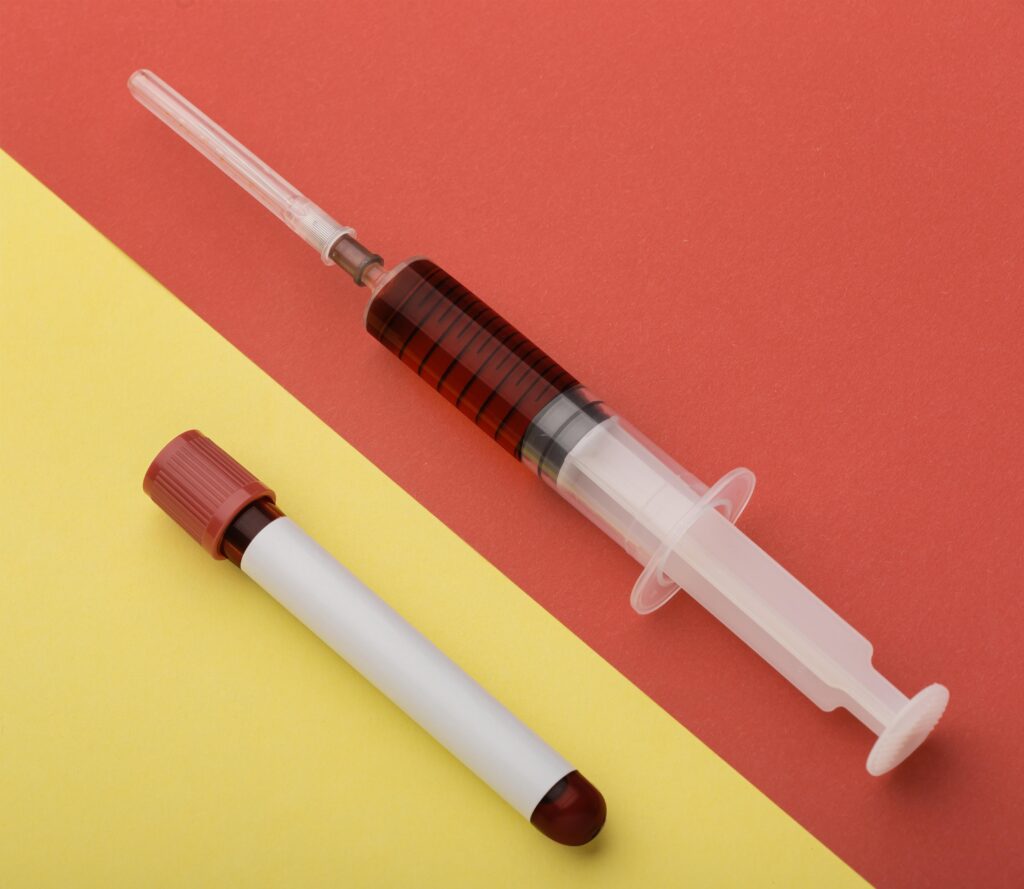
Q1.What is PETG and how is it produced? A1: PETG is a thermoplastic material. PETG stands for Polyethylene Terephthalate Glycol-modified. It is a type of amorphous copolyester that belongs to the family of transparent plastics. PETG is synthesized through the copolymerization of three monomers: PETG is essentially PET modified with CHDM as a comonomer, which […]
Performance of Nano BaSO₄ as an Anti-Block Agent for BOPET Films

BOPET films are widely used in packaging, optical, and industrial fields. However, during manufacturing, processing, and use, they often suffer from stickiness. It affects their performance. Adding anti-block agents can solve this problem. Recently, nano BaSO₄ has gained attention as a new type of anti-block agent. This article explains how it works, its advantages, and […]
How to Make Polyester Monofilaments for Car Seat Belts

Car seat belts are crucial safety devices. Their performance depends heavily on the quality of the materials used. Let’s explore the innovative process for creating high-performance polyester monofilaments designed specifically for car seat belts. 1. What Makes Car Seat Belts Unique? Car seat belts serve both functional and decorative purposes, so their materials must meet […]
Overview of Waste PET Recycling Methods and Market Treands

The increasing use of PET materials has led to a rise in PET waste, making efficient recycling solutions essential. Researchers have developed several methods to depolymerize, purify, and recover PET waste. PET recycling is broadly divided into physical and chemical methods. 1. Physical Recycling Physical recycling uses mechanical processes to melt and re-pelletize PET waste. […]
What is Sizing Dropping and How to Reduce It

What is Sizing Dropping? Sizing dropping (also called shedding or fiber drop) happens when the sizing agent or fibers fall off the yarn during the sizing process. This affects fabric quality, and textile mills often test for the amount of dropping to improve production. 1. Causes of Sizing Dropping 2. How to Reduce Sizing Dropping […]
Introduction to Polyester Hot Melt Yarn: Uses, Characteristics, and Raw Materials
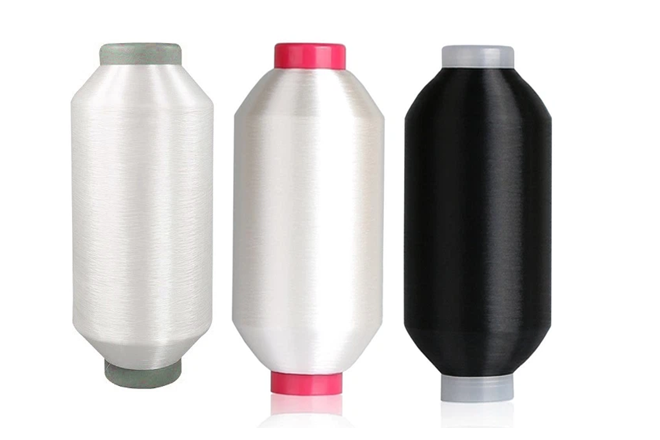
1. What is Polyester Hot Melt Yarn? Polyester hot melt yarn is a special fiber material used for bonding in non-woven, knitted, and woven products. It combines with regular polyester or other fibers to create soft, strong, washable, and easy-to-manage materials. This yarn is eco-friendly, making it a valuable resource in modern textile production. 2. […]