A Blended Fabric Mill Facing Lengthwise
Uneven Dyeing
Customer Profile:
Specializes in knitwear exhaust dyeing
Works with PC (Polyester/Cotton) and CVC blends
Also processes double-face fabrics and Polyester/Viscose blends
Generally stable production in standard PC and CVC systems
Key Process Note:
Uses exhaust dyeing process
Applies same wetting agent for polyester and cotton fibers
Technical Challenge
Occasional uneven dyeing on polyester component
Observed mainly in double-face and blended fabric structures
Oil washing pretreatment tried, but issue still exists
The Challenge
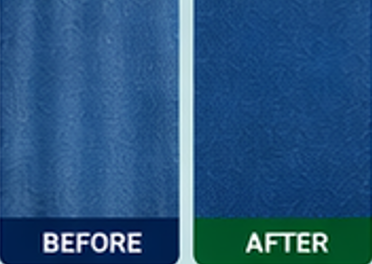
Persistent streaks and shadevariation along fabric length, even through dye recipes and machine parameters were kept consistent
What We Found
* Different wetting behavior C/P
* Uneven liquor pick-up during padding
* Sensitivity to small variations in surface energy
The Results After
* More uniform dye upstake
* Reduced rework
* Better batch to batch consistency
* More stable production process
How does this work?
3 Different
DIrections. 1 Common Goal - Consistent Dyeing
1 Wetting & Surface Absorptise Control
Process Additives Level
What It Sloves
Non-uniform wetting and liquor pick-up during padding or dyeing
How It Help
Improves wetting uniformity
Controls absorbency across
Reduces streaks and shade variation
Impact on Dyeing
More uniform liquor distribution, less re-dyeing and better repeatablibity
2 Functional Masterbatch
Fiber consistency Level
What It Sloves
Incosistent additive dispersion and fiber surface behavior in polyester-rich blends
How It Help
Enhances dispersion stability
Tunes surface energy and hydrophilicity
Improves dye affinity balance between polyester and cotton
Impact on Dyeing
More consistent shade development and reduced batch-to batch variation
3 Modified Polyester
Polymer Design Level
What It Sloves
Polymer behavior that affects fiber formation, process stability, and long-term uniformity
How It Help
Improves melt stability
optimizes crystallization behavior
Enables more stable processing window
Impact on Dyeing
Better structure uniformity, and long-term consistency
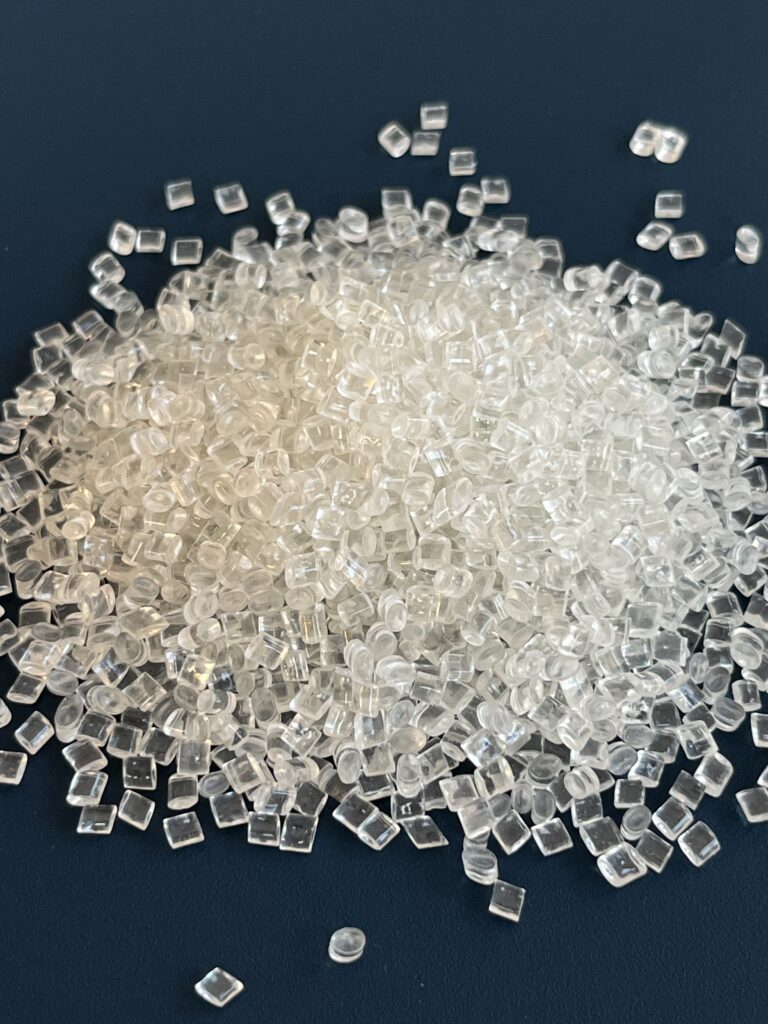
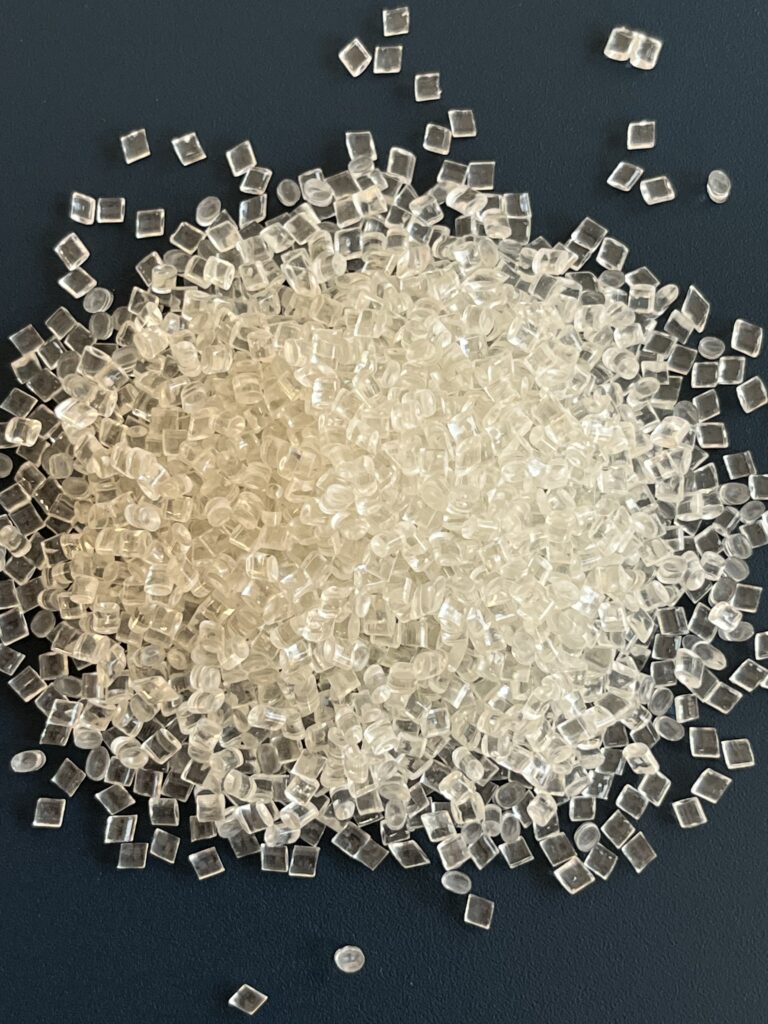
our Polymer-Specific Solution
ECDP
Enables atmospheric dyeing → energy saving & lower processing cost
Ideal for differential dyeing → high value-added effects (two-tone / mélange / cross-dyeing)
Compatible with boil dyeing using disperse dyes
Suitable for fashion, home textiles, and decorative fabrics