

In recent years, the textile world has been changing fast. People want materials that use less energy, need no glue, and still perform well. That’s where low melting polyester, or LMPET, comes in.
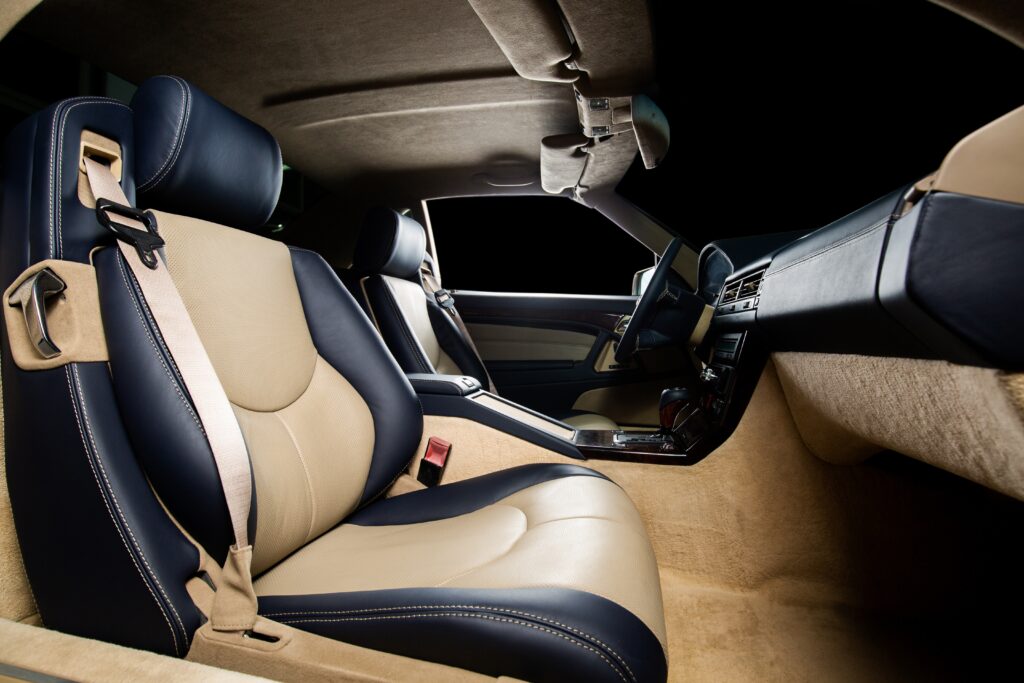
You’ll find it in nonwovens, home textiles, car interiors, and even industrial materials.
From my experience working with spinning lines and materials, I can tell you this:
Different melting points (110°C, 160°C, 180°C, 220°C) are not just about temperature.
They come from how the material is designed, processed, and used.
1. What really controls melting point?
It all comes down to how the material is built.
There are three main things behind it:
1.1 Copolymer modification (this is the key)
We change the PET structure by adding softer or irregular components like:
- IPA
- DEG / PEG
What happens?
The chains become less “neat” and harder to pack together.
So the material melts more easily.
1.2 Crystallinity control (how we process it)
We adjust:
- Cooling speed
- Drawing
- Heat setting
This changes how much of the material is “ordered” vs “random”.
And that affects:
- Strength
- Feel
- Heat behavior
1.3 Fiber structure design (how we use it)
We don’t just rely on material.
We design the fiber itself.
Common ways:
- Core-sheath
- Blending
- Composite fibers
This is where performance really comes alive.
📌 Simple rule to remember:
Lower melting point → more modification → less crystallinity → stronger bonding
2. What different melting points really mean
Let’s break it down in a practical way.
2.1 110°C – very soft, for bonding
How it’s made
- Heavy modification
- Mostly amorphous (not structured)
What it means in production
- Lower spinning temperature
- Needs better control
- No need for new machines, just tighter settings
What it feels like
- Very soft, like cotton
- Fluffy
- Easy to shape
Where you see it
- Mattress filling
- Winter jackets
- Nonwovens
👉 Simple way to say it:
Soft material used for bonding and filling

2.2 160°C – the most common balance
How it’s made
- Moderate modification
- Keeps some structure
What it means in production
- Stable
- Easy to run
- Works on normal PET lines
What it feels like
- Soft but supportive
- Keeps its shape
- Lasts longer
Where you see it
- Carpets
- Pillows and mattresses
- Car seats
👉 Simple way to say it:
Soft, but stronger and more durable
2.3 180°C – strong and wearable
How it’s made
- Slight modification or close to pure PET
What it means in production
- No changes needed
- Very stable
What it feels like
- Firm
- Keeps shape
- Good for repeated use
Where you see it
- Clothing
- Curtains
- Bags
👉 Simple way to say it:
Strong and durable everyday polyester
2.4 220°C – for industrial strength
How it’s made
- Almost pure PET
- Highly structured
What it means in production
- Standard process
- High temperature resistance
What it feels like
- Stiff
- Very strong
- Long-lasting
Where you see it
- Industrial fabrics
- Films
- Engineering materials
👉 Simple way to say it:
Not for wearing — built for strength and structure
3. The real game changer: bicomponent fibers
This is where things get interesting.
Material alone is not enough.
We combine materials inside one fiber.
👉 Think of it like this:
Material design + structure design = real performance
3.1 What is bicomponent spinning?
We spin two materials into one fiber:
- High melting PET (for strength)
- Low melting PET (for bonding)
3.2 Common structures
3.2.1 (most used)
- Inside: strong
- Outside: melts
When heated:
- Outside melts and bonds
- Inside keeps the shape
Used in nonwovens, home textiles, automotive
3.2.2 Side-by-Side
Two materials placed next to each other.
They shrink differently → the fiber curls by itself.
Result:
- More bulk
- More elasticity
Used in filling fibers like pillows
3.2.3 More complex structures
Used for:
- Ultra-fine fibers
- High-end materials
3.3 What actually happens during heating?
- Low melting part softens first
- High melting part stays solid
So you get:
- Bonding without glue
- Stable structure
- Fixed shape
3.4 Why factories like this
- One step: strength + bonding
- Less post-processing
- Lower energy use
- More consistent quality
3.5 Do we need new machines?
Yes and no.
✔ Need:
- Bicomponent spinning setup
❌ Don’t need:
- New full production line
- Major downstream changes
It’s more like an upgrade, not a rebuild
3.6 What you get in real products
- Nonwovens: stronger, no delamination
- Filling: softer and more elastic
- Car interiors: more durable
- Fabrics: better comfort and shape
4. Why this matters for manufacturers
For polymer producers
- More value-added products
- Less price competition
For spinning mills
- Move from commodity to
functional fibers - New product options:
- Bonding yarn
- Core-sheath fiber
- Functional yarn
5. Where all this ends up
Main applications
- Nonwovens
- Home textiles
Automotiveinteriors- Carpets
Yarn types
- Bonding yarn (DTY / FDY)
- Core-sheath yarn
- Functional yarn
6. Final thoughts
Low melting polyester is not just about “melting lower”.
It’s about:
- Designing the molecule
- Controlling the process
- Engineering the structure
If I had to sum it up simply:
- 110°C → very soft, for bonding
- 160°C → soft and durable
- 180°C → strong and wearable
- 220°C → industrial strength
From factory to final product,
It’s all about making materials work smarter, not harder.