Low COOH Polyester Chips for
Synthetic Leather & Coated Fabrics

Our Low COOH PET chips are engineered to deliver superior hydrolysis resistance,                                          coating adhesion, and long-lasting mechanical performance

Why Low COOH PET Matters

Normal polyester contains high carboxyl (COOH) end groups, which are prone to

Hydrolysis under heat and moisture→ Reduced strength

PU / PVC coating interaction→ Peeling or bubbling

Peeling or bubbling→ Hardening, yellowing, cracking

Low COOH PET solves these issues by stabilizing polymer chains and minimizing chain breaks. Factories using Low COOH PET have reported:


Strength retention after heat & humidity > 90%

Coating adhesion improved by >10%

Reduced scrap and rework, higher production efficiency

How it works is so simple

01 Reduced Terminal Carboxyl Groups

Modification Method:  Optimized polymerization conditions with tailored catalysts and end-capping agents to minimize terminal carboxyl group content.

Mechanism:  Fewer reactive end groups reduce hydrolysis and thermal chain scission, significantly improving polymer stability and durability.

02 Improved Molecular Uniformity

Modification Method: Precise control polymerization, including temperature, reaction time, and catalyst concentration, to optimize molecular weight distribution and chain structure.

Mechanism: A more uniform molecular structure enhances intermolecular stability, reducing thermal shrinkage and variability, getting consistent processing & end-use properties.

03 Low Hydrolysis-Resistant Polymer Design

Modification Method: Use of low-hydrolysis monomers (e.g., low-carboxyl diols and diacids) in the polymerization process.

Mechanism: Reduced susceptibility to hydrolysis under high temperature and humidity conditions minimizes chain degradation, ensuring long-term structural stability and improved durability and chemical resistance.

04 End-Group Capping for Enhanced Chain Stability

Modification Method: Application of specific end-capping agents such as esterification or etherification reagents to neutralize reactive terminal carboxyl groups.

Mechanism: By blocking highly reactive end groups, unwanted side reactions and crosslinking during processing are minimized, leading to improved processing stability, thermal performance, and overall material consistency.

05 Antioxidants and UV Protection

Modification Method: Incorporation of thermal stabilizers, antioxidants, and light stabilizers into the polyester formulation.

Mechanism: Antioxidants inhibit thermal-oxidative degradation during processing, while UV stabilizers protect against ultraviolet-induced chain scission, improving long-term durability in automotive and outdoor applications.

Automotive
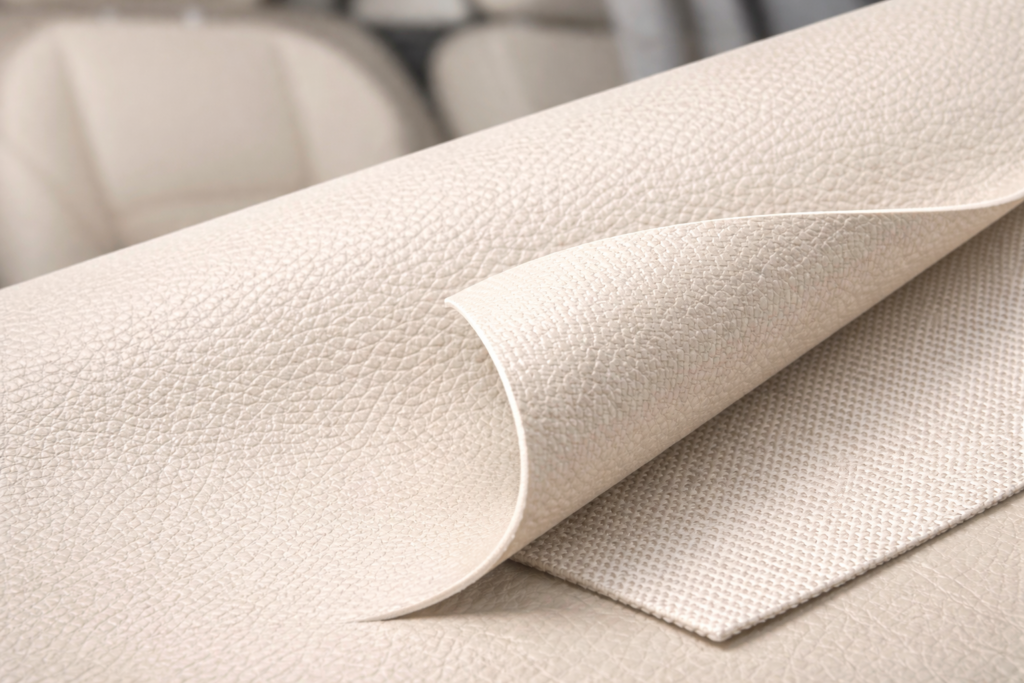
Synthetic Leather

In automotive interiors, polyester fabrics often face:

  • 20–30% strength loss under heat & humidity

  • Coating peeling >10% after bending

  • Hardening, cracking, and reduced lifetime

👉 This leads to higher scrap rates and unstable product quality.

How Low COOH PET Improves Performance

Achieve stable coating, reduce defects by up to 15%, and deliver softer, more durable materials for high-end automotive applications.

Automotive Convertible Roofs

In automotive convertible roofs and outdoor vehicle fabrics, prolonged exposure to UV rays, heat, and moisture can lead to:

  • 20–30% strength loss after long-term exposure

  • Coating peeling and cracking

  • UV degradation causing yellowing and reduced aesthetic appeal

👉 These issues result in a shorter product lifespan and increased maintenance costs.

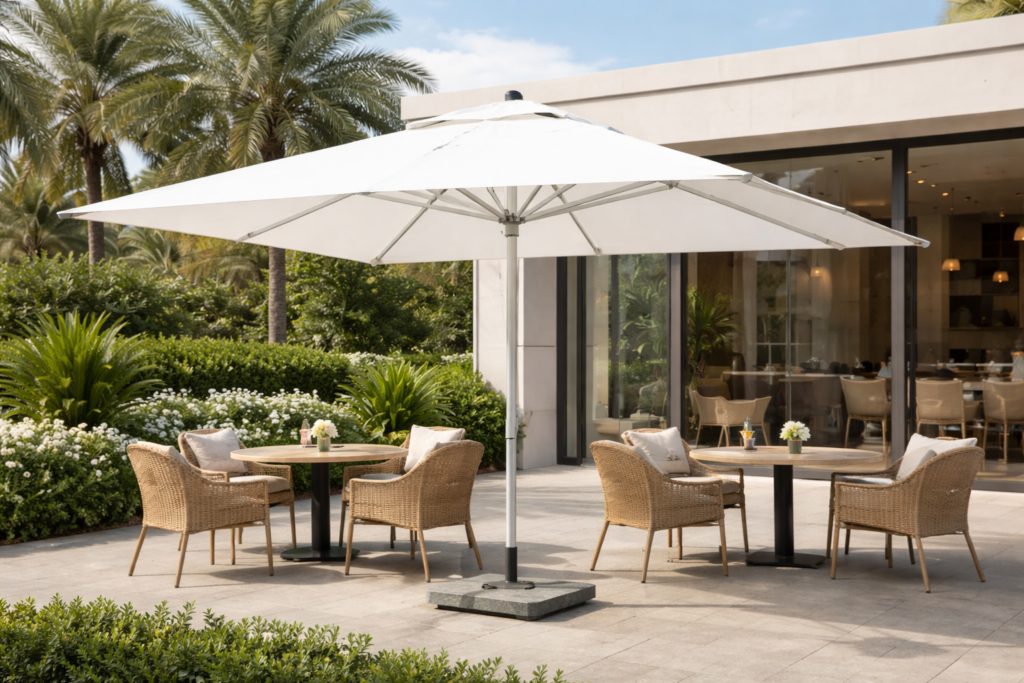
Outdoor Shade Systems

Like umbrellas and awnings, often experience:

  • UV degradation causing fading and weakening

  • Moisture absorption, leading to shrinkage and mold

  • Reduced fabric strength after prolonged outdoor exposure

👉 These challenges increase the maintenance cost and shorten the product lifespan.

How Low COOH PET Improves Performance

Maintain color vibrancy, fabric softness, and durability, reduce weathering effects, and extend furniture lifespan by 30–50%.

High-End Outdoor Furniture Fabrics

High-end outdoor furniture fabrics, such as sofas and cushions, often face:

  • Weathering effects causing color fading and fiber breakdown

  • Moisture absorption, leading to mold and mildew

  • Fabric hardening and reduced comfort over time

👉 These issues lead to poor customer satisfaction and increased replacement rates.

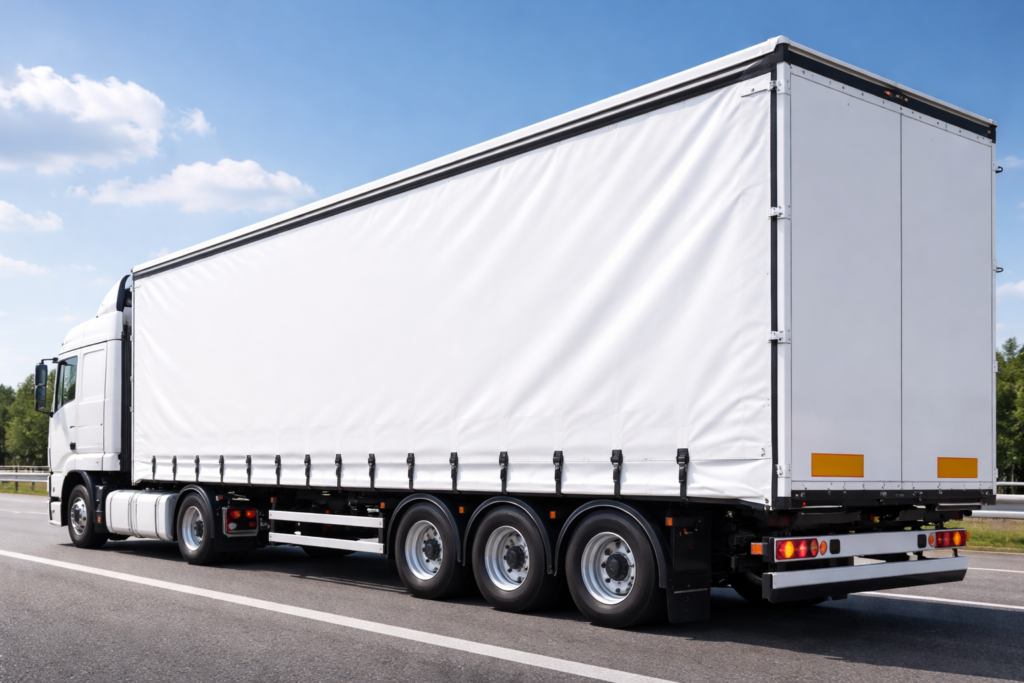
Industrial Coated Fabrics

Industrial coated fabrics, such as tarpaulins and protective covers, experience:

  • Coating peeling and chipping under stress

  • Abrasion damage from heavy-duty use

  • Reduced tensile strength after exposure to weathering

👉 This results in higher repair costs and reduced product life.

How Low COOH PET Improves Performance

Enhance strength, coating adhesion, and durability for functional textiles, improving performance and extending product lifetime by 40%.

Functional Technical Textiles

Functional technical textiles used in applications like protective clothing and engineering fabrics often face:

  • Strength loss after prolonged exposure to heat and chemicals

  • Coating failure or adhesion issues

  • Reduced durability under physical stress and environmental conditions

👉 These performance issues result in high failure rates and increased costs.

Client Testimonials

“Since switching to low COOH polyester, performance has been much better. It handles sun and humidity well, with less shrinkage and better durability. Processing is more stable, and customer complaints dropped by over 20%.”
Anna Batista
“Since we started using Low COOH polyester for our sofas and cushions, we’ve noticed a big difference. The fabric is softer, doesn’t shrink much, and holds up better over time. Even with the hottest sun, it works great. Our customers are happier, and we are happy. A great change for us.”
Dirceu Castro

Upgrade Your Yarn Performance Today

Get in touch with us to explore how Low COOH PET can improve durability, stability, and overall product quality for your applications.

info@globalpolyester.com what's APP 1-7134804748
© HanLink Polyester 2026. All rights reserved

Ask For A Quick Quote

We will contact you within 1 working day, please pay attention to the email with the suffix “@globalpolyester.com”

Request Technical Documents

Get instant access to technical datasheets and a tailored solution from our engineering team.

Subscribe & Get

10% off on Your First Order