
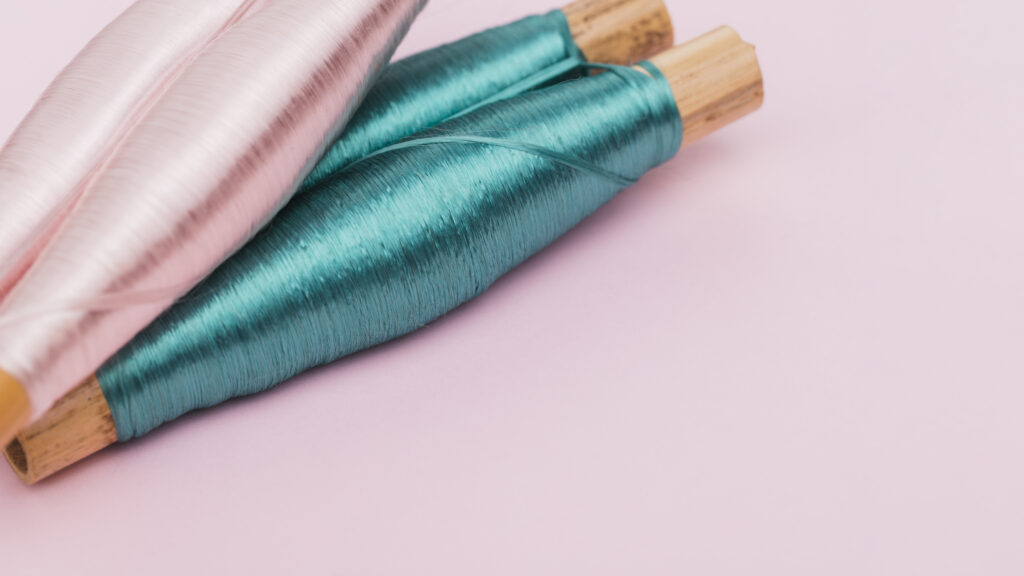

The Need for Functional Textiles
Consumers want more than just stylish and comfortable fabrics. They now look for textiles with extra features like antibacterial, odor-resistant, and mite-resistant qualities. This is especially important in medical, sportswear, and home fabrics. Traditional antibacterial treatments often wear off after washing and can contain harmful chemicals.
Copper-modified polyester fiber solves this problem. It embeds copper into the fiber, giving lasting antibacterial protection that doesn’t wash out. This makes it a great choice for manufacturers looking for reliable, long-lasting performance.
Key Benefits: Solving Industry Challenges
1. Long-Lasting Antibacterial Protection
Unlike chemical treatments that wear off, copper remains active throughout the fiber’s lifespan. Lab tests show that copper-modified polyester kills 99% of common bacteria, including Staphylococcus aureus and Escherichia coli, even after 50 washes. It meets international antibacterial standards such as AATCC 100.
2. Safe and Environmentally Friendly
Copper is a natural and essential element for the human body. Unlike silver-based antibacterial agents, copper poses no risk of harmful residue buildup. This makes it safer for baby clothing, underwear, and other skin-contact applications.
3. Excellent Processing Performance
Copper-modified polyester chips can be used in both direct spinning and chip spinning processes. They are compatible with DTY, FDY, POY, and staple fiber production. The fibers maintain good thermal stability and uniform dyeing properties. It ensures easy integration into existing textile production lines.
4. Additional Benefits
Beyond its antibacterial properties, copper-modified polyester also provides antistatic, odor-resistant, and mite-resistant functions. These added benefits help textile companies develop high-value products for premium markets.
Applications: Meeting Market Demand
Copper-modified polyester fiber is versatile and can be used in various industries:
- Medical Textiles: Hospital bedding, surgical gowns, masks, and protective wear
- Functional Clothing: Sportswear, underwear, socks, and outdoor apparel
- Home Textiles: Antibacterial curtains, bed linens, and upholstery fabrics
- Industrial Textiles: Military uniforms, protective gear, and public seating fabrics
By incorporating this fiber into different product lines, textile manufacturers can create unique and competitive offerings.
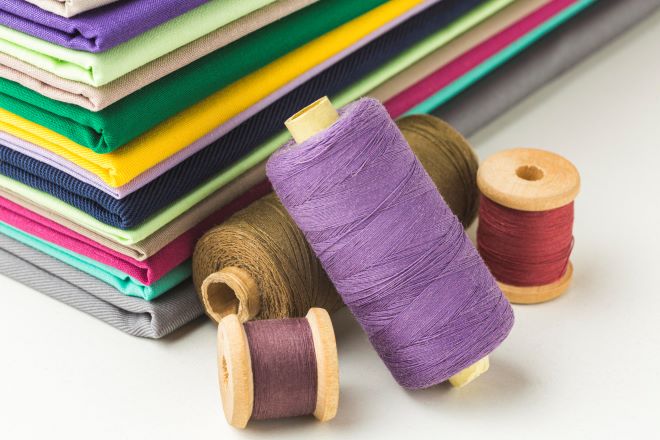
Production Process: Ensuring Quality and Performance
Copper-modified polyester fiber can be used for pure spinning or blended with other natural fibers.
1. Raw Material Preparation
High-purity PET chips are selected, and advanced blending techniques ensure that copper ions are evenly distributed within the polymer matrix.
2. Polymerization and Pelletizing
Special catalysts and temperature control techniques allow the copper elements to bond with the polyester structure. It ensures stability and spinnability.
3. Spinning and Drawing
Both filament and staple fiber processes can be used. So high strength and consistent dyeing performance can be achieved.
4. Dyeing and Finishing
The fiber’s structure allows for uniform dyeing without additional chemical treatments. It reduces processing complexity.
Raw Material Requirements and Partnership Opportunities
1. Polyester Base Material
- Standard textile-grade PET or recycled PET can be used.
- Impurity levels must be controlled to ensure stable spinning.
- Different IV (
intrinsic viscosity) levels are available for various processing needs.
2. Copper Content and Antibacterial Performance
- The copper content can be customized, typically ranging from 0.2% to 1%.
- Performance can be adjusted to meet different market regulations and standards.
3. Collaboration Models
- Copper-modified PET chips for fiber producers.
- Copper-modified polyester fibers for yarn and fabric manufacturers.
- Technical support to optimize spinning, dyeing, and
finishingprocesses.
Conclusion: A Competitive Edge for Textile Manufacturers
Copper-modified polyester fiber is a great option for textile companies. It provides long-lasting antibacterial properties and is safe for use. This fiber is easy to process and can be used in many different products, making it a strong choice for the future of textiles.
If your business needs a reliable antibacterial fiber, copper-modified polyester is the right solution. Contact us to find out how this innovative material can improve your products and help you stay competitive.