

Pressure-sensitive adhesives stick easily with a light touch. They come in six types: hot melt, solvent-based, water-based, emulsion-based, cast, and reaction. While solvent-based adhesives are used less now due to environmental concerns, they are still valuable in some areas.
PVC films are used on furniture and buildings to improve looks and durability. However, many current labels don’t resist plasticizers well, leading to sticky residue and peeling. Solvent-based adhesives, often used in high-performance labels, can be harmful to the environment and health.
1. What is flame-retardant pressure-sensitive label material
It provides a new flame-retardant pressure-sensitive label material. It has a modified PET film base. One side of the film has a flame-retardant coating, while the other side has a flame-retardant adhesive. The adhesive sticks to the PET film on one side and has a release layer on the other.
2. Features
This new label material is highly flame-resistant, meeting the V0 standard. It also resists fingerprints, sweat, and bacteria. The special coating process makes the labels smooth and stripe-free, suitable for various uses.
This material not only meets durability and appearance needs but also helps reduce environmental and health risks.
3. Application
Flame-retardant pressure-sensitive labels are widely used in various fields due to their excellent fire resistance and other features. Here are some key applications:
3.1 Electronics
- Areas: Home appliances, computers, communication devices.
- Details: These labels help prevent fire risks from overheating or short circuits in electronic devices. They also resist sweat and bacteria, keeping the devices clean and safe.
3.2 Automotive Industry
- Areas: Car interiors, dashboards, seats.
- Details: In cars, these labels offer extra fire protection and resist fingerprints and sweat, enhancing the durability and appearance of interior parts.
3.3 Construction and Decoration
- Areas: Building materials, indoor decoration, signage.
- Details: In construction and decoration, these labels are used for marking and decorating materials. They improve both the aesthetics and fire safety of the materials, meeting industry standards.
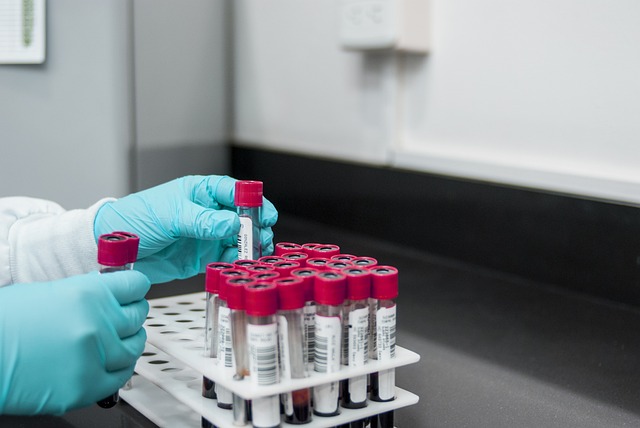
3.4 Medical Equipment
- Areas: Medical devices, drug packaging, lab equipment.
- Details: Medical equipment and packaging need high safety standards. Flame-retardant labels reduce fire risks and their antibacterial properties ensure hygiene in medical environments.
3.5 Transportation and Logistics
- Areas: Cargo labels, packaging materials, transport containers.
- Details: In transportation, these labels are used to mark cargo and packaging. Their fire resistance ensures stability and safety during shipping.
3.6 High-Risk Environments
- Areas: Chemical plants, laboratories, power facilities.
- Details: In high-risk areas, these labels identify dangerous items and equipment. Their high fire resistance helps reduce fire risks and protect people.
These applications show how flame-retardant pressure-sensitive labels play a vital role in providing safety, durability, and high performance across different industries.